Buy na6.eu ?
We are moving the project
na6.eu .
Are you interested in purchasing the domain
na6.eu ?
domain@kv-gmbh.de · 0541-91531010
Buy na6.eu ?
What is the difference between glucose and glycogen and how is glycogen formed and broken down?
Glucose is a simple sugar that serves as the primary source of energy for the body's cells. It is stored in the form of glycogen in the liver and muscles. Glycogen is a complex carbohydrate that is made up of many glucose molecules linked together in a branching structure. When blood glucose levels are high, excess glucose is converted into glycogen through a process called glycogenesis, which occurs primarily in the liver and muscles. When blood glucose levels are low, glycogen is broken down into glucose through a process called glycogenolysis, which releases glucose into the bloodstream to maintain normal blood sugar levels. **
How quickly do glycogen stores fill up?
Glycogen stores can fill up relatively quickly, especially after consuming a meal high in carbohydrates. The rate at which glycogen stores are replenished depends on factors such as the type and amount of carbohydrates consumed, as well as individual factors like metabolism and activity level. Generally, it can take several hours for glycogen stores to be fully replenished after they have been depleted, but this can vary from person to person. **


Similar search terms for Glycogen
Top-Angebote
Products related to Glycogen:
-
Klutz: LEGO GadgetsThis activity kit will have you building 11 machines including a gravity powered car and a wacky boxing robot. The fun doesn't stop once you've completed all of the projects in the book - open-ended prompts will inspire you to continue experimenting...24,99 $*Shipping: 0,00 $Secure redirect to the provider
-
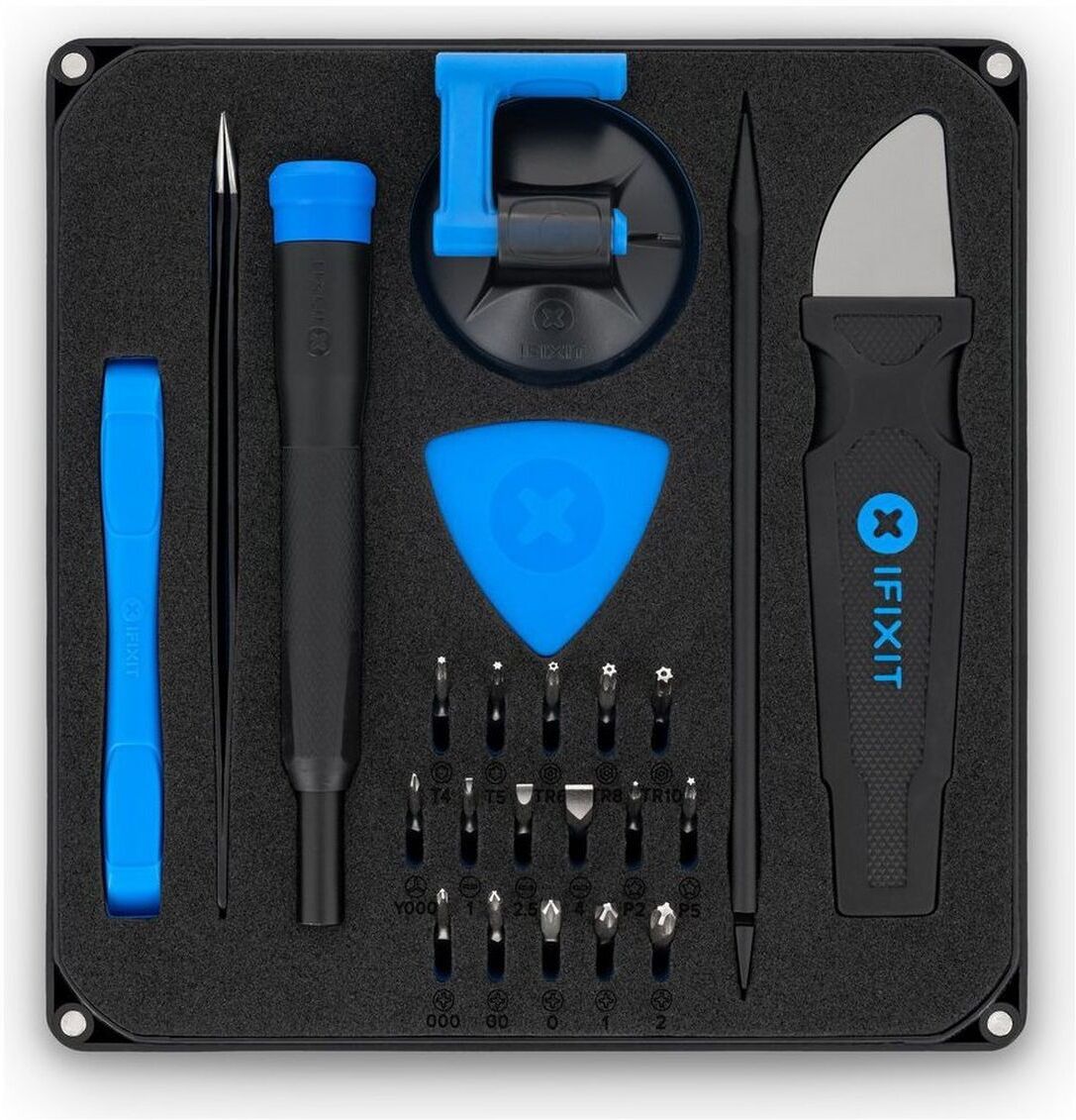
iFixit Essential Electronics ToolkitThe iFixit Essential Electronics Toolkit is a compact starter repair kit for phones, tablets, laptops, game consoles and other small electronics. It includes a precision bit driver with 16 precision bits plus the basic opening and prying tools needed for common repairs such as screen and battery replacements.40,99 £*Shipping: 0,00 £Secure redirect to the provider
-
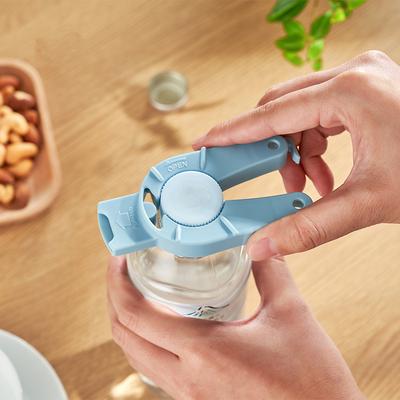
Multisell Products Hub Magnetic Bottle Opener For Household Mineral Water Plastic Beverage Bottles And Cap Opening, Kitchen Accessories Gadgets blueEffortless Cap Opening for Everyday Kitchens Upgrade your routine with this 1 pcs Kitchen Accessories Gadgets Magnetic Bottle Opener for Household Mineral Water Plastic Beverage Bottles and Cap Opening designed for convenience and comfort. It makes...34,97 $*Shipping: 0,00 $Secure redirect to the provider


-
What is the relationship between glycogen storage and dehydration?
Dehydration can lead to a decrease in glycogen storage in the body. When the body is dehydrated, it can affect the body's ability to properly store glycogen in the muscles and liver. This can impact energy levels and athletic performance, as glycogen is a key source of energy during physical activity. It is important to stay hydrated to support optimal glycogen storage and overall performance. **
-
What is the connection between glycogen storage and dehydration?
Glycogen is a form of stored glucose in the liver and muscles, which can be broken down to provide energy when needed. When the body becomes dehydrated, glycogen stores can be depleted more quickly as the body tries to maintain blood sugar levels. This can lead to a decrease in overall energy levels and can also contribute to muscle fatigue and weakness. Additionally, glycogen storage requires water, so dehydration can impair the body's ability to store and utilize glycogen effectively. Therefore, proper hydration is important for maintaining glycogen stores and overall energy levels. **
-
What is the difference between glucagon, glycogen, and glucose?
Glucagon is a hormone produced by the pancreas that raises blood sugar levels by stimulating the liver to convert stored glycogen into glucose. Glycogen is a form of stored glucose found in the liver and muscles, serving as a reserve energy source. Glucose is a simple sugar that serves as the primary source of energy for cells in the body and is obtained from the food we eat. **
-
Why do plants store energy as starch and not as glycogen?
Plants store energy as starch because they do not have the enzyme glycogen synthase needed to make glycogen. Starch is the equivalent storage molecule in plants, serving as a long-term energy reserve in the form of glucose polymers. Additionally, starch is more suitable for storage in plant cells due to its insolubility in water, which helps prevent osmotic issues within the cell. Overall, the structure and function of starch make it the ideal energy storage molecule for plants. **

Why does the glycogen store remain available longer than the protein store?
The glycogen store remains available longer than the protein store because glycogen is the primary storage form of glucose in the body, and glucose is the body's preferred source of energy. When the body needs energy, it can quickly break down glycogen into glucose to fuel the cells. On the other hand, protein is primarily used for building and repairing tissues, and is not the body's preferred source of energy. Therefore, the body will only break down protein for energy when other sources, such as glycogen and fat, are depleted. This makes the glycogen store more readily available for energy production compared to the protein store. **
Does the accelerated emptying of glycogen stores have anything to do with burned calories?
Yes, the accelerated emptying of glycogen stores does have a connection to burned calories. Glycogen is the body's primary storage form of glucose, which is used as a source of energy during exercise. When glycogen stores are depleted, the body turns to other sources of energy, such as fat, to fuel physical activity. This process can result in the burning of additional calories, as the body works to replenish its depleted glycogen stores and maintain energy levels. Therefore, the accelerated emptying of glycogen stores can contribute to the overall calorie expenditure during exercise. **
Top-Angebote
Products related to Glycogen:
-
Klutz: LEGO GadgetsThis activity kit will have you building 11 machines including a gravity powered car and a wacky boxing robot. The fun doesn't stop once you've completed all of the projects in the book - open-ended prompts will inspire you to continue experimenting...24,99 $*Shipping: 0,00 $Secure redirect to the provider
-
What is the difference between glucose and glycogen and how is glycogen formed and broken down?
Glucose is a simple sugar that serves as the primary source of energy for the body's cells. It is stored in the form of glycogen in the liver and muscles. Glycogen is a complex carbohydrate that is made up of many glucose molecules linked together in a branching structure. When blood glucose levels are high, excess glucose is converted into glycogen through a process called glycogenesis, which occurs primarily in the liver and muscles. When blood glucose levels are low, glycogen is broken down into glucose through a process called glycogenolysis, which releases glucose into the bloodstream to maintain normal blood sugar levels. **
-
How quickly do glycogen stores fill up?
Glycogen stores can fill up relatively quickly, especially after consuming a meal high in carbohydrates. The rate at which glycogen stores are replenished depends on factors such as the type and amount of carbohydrates consumed, as well as individual factors like metabolism and activity level. Generally, it can take several hours for glycogen stores to be fully replenished after they have been depleted, but this can vary from person to person. **
-
What is the relationship between glycogen storage and dehydration?
Dehydration can lead to a decrease in glycogen storage in the body. When the body is dehydrated, it can affect the body's ability to properly store glycogen in the muscles and liver. This can impact energy levels and athletic performance, as glycogen is a key source of energy during physical activity. It is important to stay hydrated to support optimal glycogen storage and overall performance. **
-
What is the connection between glycogen storage and dehydration?
Glycogen is a form of stored glucose in the liver and muscles, which can be broken down to provide energy when needed. When the body becomes dehydrated, glycogen stores can be depleted more quickly as the body tries to maintain blood sugar levels. This can lead to a decrease in overall energy levels and can also contribute to muscle fatigue and weakness. Additionally, glycogen storage requires water, so dehydration can impair the body's ability to store and utilize glycogen effectively. Therefore, proper hydration is important for maintaining glycogen stores and overall energy levels. **
Similar search terms for Glycogen
-
iFixit Essential Electronics ToolkitThe iFixit Essential Electronics Toolkit is a compact starter repair kit for phones, tablets, laptops, game consoles and other small electronics. It includes a precision bit driver with 16 precision bits plus the basic opening and prying tools needed for common repairs such as screen and battery replacements.40,99 £*Shipping: 0,00 £Secure redirect to the provider
-
Multisell Products Hub Magnetic Bottle Opener For Household Mineral Water Plastic Beverage Bottles And Cap Opening, Kitchen Accessories Gadgets blueEffortless Cap Opening for Everyday Kitchens Upgrade your routine with this 1 pcs Kitchen Accessories Gadgets Magnetic Bottle Opener for Household Mineral Water Plastic Beverage Bottles and Cap Opening designed for convenience and comfort. It makes...34,97 $*Shipping: 0,00 $Secure redirect to the provider
-
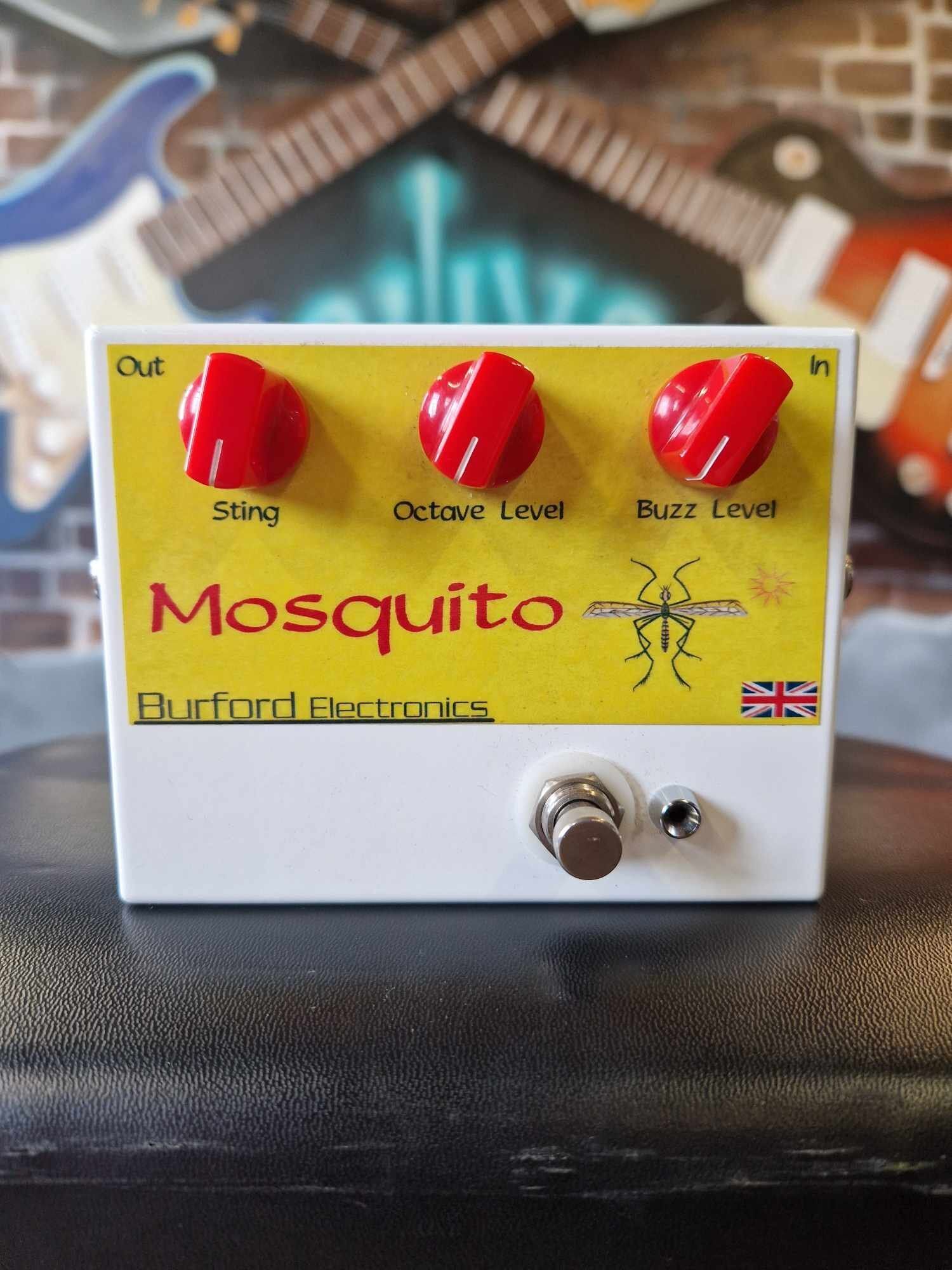
Burford Electronics Mosquito Fuzz Pedal Original - RefurbishedThis is a Burford Electronics Mosquito Fuzz Pedal. The Mosquito is a Fuzz/Octave pedal with a pretty unique sound, being closer to a fuzz more than a distortion this pedal delivers high octane fuzz sounds that will leave a sting. Here's what Burford Electronics say about the Mosquito Pedal: “A unique Octave up fuzz, which will give you pure fuzz on one twist of a knob & octave fuzz on one twist of another knob. So you can have your fuzz setting for a rich body & add octave fuzz to it or turn the fuzz down & just use the octave fuzz control for cutting lead. There is also a control called Sting, this is a tone filter that alters the voice of the octave from sharp to mellow. The octave is not over the top, on the lower register it is quite subtle, you can even play power chords and it holds together extremely well. Without that horrible modulation that is associated with some analogue octave up pedals, even some of the legendary expensive ones. Try soloing somewhere from the 8th fret upwards, it is very responsive and particularly so around 12th/15th fret and even higher. Neck and back pick ups give different sounds. Even playing positions will give different responses.”120,00 £*Shipping: 0,00 £Secure redirect to the provider
-
ECLAT Tech Ltd Bitmore UltraCam 4K Waterproof Action Camera with Accessories, New.gadcet-pdp{--g-green:#00a651;color:#1f2430;line-height:1.55;font-size:inherit;max-width:760px}.gadcet-pdp>*:first-child{margin-top:0}.gadcet-pdp p{margin:0 0.9em}.gadcet-pdp h3{font-size:1.05em;font-weight:600;color:#11161f;margin:1.4em 0.5em;padding-left:.5em;border-left:3px solid var(--g-green);border-radius:0;line-height:1.3}.gadcet-pdp ul{list-style:none!important;margin:0 0.9em;padding:0!important}.gadcet-pdp ul li{position:relative;padding:.1em 0.1em 1.5em;margin:0}.gadcet-pdp ul li::before{content:"";position:absolute;left:.16em;top:.45em;width:.36em;height:.66em;border:solid var(--g-green);border-width:0.14em.14em 0;transform:rotate(45deg)}.gadcet-pdp table{width:100%;border-collapse:collapse;margin:.3em 0 1em;font-size:.95em;border:1px solid #e7e9ee!important;border-radius:8px;overflow:hidden}.gadcet-pdp table td{padding:.5em.8em;border-bottom:1px solid #eef0f4!important;vertical-align:top}.gadcet-pdp table tr:last-child td{border-bottom:0!important}.gadcet-pdp table tr:nth-child(even){background:#f7f9f8}.gadcet-pdp table td:first-child{font-weight:600;color:#454c59;width:40%}@media (max-width:600px){.gadcet-pdp table td:first-child{width:42%}} Capture bike rides, holidays, sports and everyday adventures with the Bitmore UltraCam 4K waterproof action camera. Compact, easy to mount and supplied with accessories, it is a practical choice for casual action footage on the go. Key Features Records in 4K interpolated, 2.7K, 1080p 60fps/30fps, 720p and VGA resolutions Photo capture options up to 16MP Waterproof up to 30m when used inside the supplied outer waterproof case 140° wide-angle lens for capturing more of the scene 2-inch HD screen for framing shots and reviewing footage MicroSD storage support from 8GB up to 32GB USB 2.0 connection for file transfer and charging Rechargeable 900mAh battery for portable use Benefits Great for hands-free recording on bikes, helmets, bags and travel setups Flexible video resolutions help you balance quality and storage space Waterproof housing makes it useful for beach trips, swimming and rainy outdoor activities A simple entry-level camera for family fun, outdoor clips and social content Specifications Brand Bitmore Model UltraCam 4K Product Code BM-4K03H Colour Black Video Resolution 4K interpolated, 2.7K, 1080p 60fps/30fps, 720p and VGA Photo Resolution 16MP, 12MP, 8MP, 5MP, 2MP and 1MP options Screen 2-inch HD screen Lens 140° V3+ Sony lens Waterproof Rating Up to 30m when used inside outer waterproof case Battery 900mAh rechargeable battery Storage MicroSD support from 8GB up to 32GB Connection USB 2.0 Video Format AVI Image Format JPG What You'll Receive Bitmore UltraCam 4K waterproof action camera with supplied accessories, in your selected condition: New or Used - Like New. Ideal For Ideal for beginners, families, cyclists and casual users who want an affordable action camera for outdoor activities, travel, swimming, sports and POV-style video.14,99 £*Shipping: 0,00 £Secure redirect to the provider
-
What is the difference between glucagon, glycogen, and glucose?
Glucagon is a hormone produced by the pancreas that raises blood sugar levels by stimulating the liver to convert stored glycogen into glucose. Glycogen is a form of stored glucose found in the liver and muscles, serving as a reserve energy source. Glucose is a simple sugar that serves as the primary source of energy for cells in the body and is obtained from the food we eat. **
-
Why do plants store energy as starch and not as glycogen?
Plants store energy as starch because they do not have the enzyme glycogen synthase needed to make glycogen. Starch is the equivalent storage molecule in plants, serving as a long-term energy reserve in the form of glucose polymers. Additionally, starch is more suitable for storage in plant cells due to its insolubility in water, which helps prevent osmotic issues within the cell. Overall, the structure and function of starch make it the ideal energy storage molecule for plants. **
-
Why does the glycogen store remain available longer than the protein store?
The glycogen store remains available longer than the protein store because glycogen is the primary storage form of glucose in the body, and glucose is the body's preferred source of energy. When the body needs energy, it can quickly break down glycogen into glucose to fuel the cells. On the other hand, protein is primarily used for building and repairing tissues, and is not the body's preferred source of energy. Therefore, the body will only break down protein for energy when other sources, such as glycogen and fat, are depleted. This makes the glycogen store more readily available for energy production compared to the protein store. **
-
Does the accelerated emptying of glycogen stores have anything to do with burned calories?
Yes, the accelerated emptying of glycogen stores does have a connection to burned calories. Glycogen is the body's primary storage form of glucose, which is used as a source of energy during exercise. When glycogen stores are depleted, the body turns to other sources of energy, such as fat, to fuel physical activity. This process can result in the burning of additional calories, as the body works to replenish its depleted glycogen stores and maintain energy levels. Therefore, the accelerated emptying of glycogen stores can contribute to the overall calorie expenditure during exercise. **
* All prices are inclusive of VAT and, if applicable, plus shipping costs. The offer information is based on the details provided by the respective shop and is updated through automated processes. Real-time updates do not occur, so deviations can occur in individual cases. ** Note: Parts of this content were created by AI.