Buy na6.eu ?
We are moving the project
na6.eu .
Are you interested in purchasing the domain
na6.eu ?
domain@kv-gmbh.de · 0541-91531010
Buy na6.eu ?
Which optical illusions and illusions do you find the most intense?
I find the Ames room illusion to be the most intense, as it completely distorts the perception of depth and size. The way it makes people appear to grow or shrink as they move around the room is truly mind-boggling. Additionally, the motion aftereffect illusion, where staring at a moving pattern can cause stationary objects to appear to move, is also quite intense and can be disorienting. Both of these illusions really challenge our understanding of visual perception and how our brains interpret the world around us. **
What stylistic devices are there in abstract art?
Abstract art often employs a variety of stylistic devices to convey emotions and ideas without representing recognizable objects. Some common stylistic devices in abstract art include the use of color, shape, line, texture, and form to create a sense of movement, balance, and harmony. Artists may also use techniques such as layering, blending, and abstraction to create depth and complexity in their compositions. Overall, abstract art allows for a wide range of stylistic experimentation and innovation, making it a dynamic and expressive form of artistic expression. **
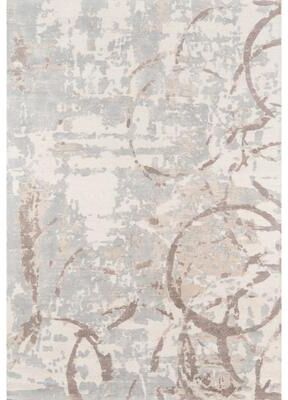

Similar search terms for Momeni-Illusions-Hand-tufted-Abstract
Top-Angebote
Products related to Momeni-Illusions-Hand-tufted-Abstract:


-
Do you like optical illusions?
As an AI, I do not have personal preferences or feelings. However, I can appreciate the creativity and ingenuity behind optical illusions. They are fascinating to observe and can challenge our perception of reality, making them a fun and intriguing form of art. **
-
Are optical illusions physically explainable?
Yes, optical illusions are physically explainable. They occur when our brain interprets visual information in a way that does not match the physical reality of the stimulus. This can happen due to the way our eyes perceive light and color, or how our brain processes and interprets visual information. Scientists and researchers have been able to study and explain many optical illusions through understanding the mechanisms of human vision and perception. **
-
Which stylistic devices go hand in hand?
Stylistic devices such as similes and metaphors often go hand in hand as they both involve comparing two different things to create a vivid image in the reader's mind. Alliteration and assonance are also commonly used together to create a musical quality in writing. Additionally, hyperbole and irony are often paired to emphasize exaggeration and create a humorous or sarcastic effect. These stylistic devices work together to enhance the overall impact and effectiveness of the writing. **
-
Which literary devices go hand in hand?
Literary devices such as metaphor and simile often go hand in hand, as they both involve comparing two things in order to create a vivid image or convey a deeper meaning. Similarly, imagery and personification are often used together to create a sensory and vivid description of non-human objects or concepts. Additionally, foreshadowing and irony are often paired together to create a sense of anticipation and surprise in a story. These literary devices work in tandem to enhance the overall impact and meaning of a piece of writing. **

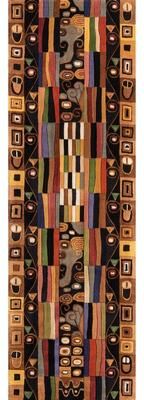
How exactly do optical illusions work?
Optical illusions work by exploiting the way our brains interpret visual information. They often involve manipulating factors such as perspective, color, and contrast to create images that can deceive our perception. Our brains try to make sense of the visual input they receive, and optical illusions take advantage of this by presenting conflicting or ambiguous information that can trick our brains into perceiving something that isn't actually there. This can lead to the perception of movement, distortion of shapes, or other visual phenomena that defy our expectations. **
How can one resolve acoustic illusions?
One can resolve acoustic illusions by first being aware of the phenomenon and understanding that our auditory system can sometimes misinterpret sounds. It is important to carefully listen to the sound in question and try to identify any potential sources of the illusion, such as echoes, reverberations, or overlapping sounds. Adjusting the environment by reducing background noise or changing the positioning of speakers or instruments can also help to resolve acoustic illusions. Additionally, seeking input from others and using recording equipment to analyze the sound can provide further insight into the nature of the illusion and how to address it. **
Top-Angebote
Products related to Momeni-Illusions-Hand-tufted-Abstract:
-
Which optical illusions and illusions do you find the most intense?
I find the Ames room illusion to be the most intense, as it completely distorts the perception of depth and size. The way it makes people appear to grow or shrink as they move around the room is truly mind-boggling. Additionally, the motion aftereffect illusion, where staring at a moving pattern can cause stationary objects to appear to move, is also quite intense and can be disorienting. Both of these illusions really challenge our understanding of visual perception and how our brains interpret the world around us. **
-
What stylistic devices are there in abstract art?
Abstract art often employs a variety of stylistic devices to convey emotions and ideas without representing recognizable objects. Some common stylistic devices in abstract art include the use of color, shape, line, texture, and form to create a sense of movement, balance, and harmony. Artists may also use techniques such as layering, blending, and abstraction to create depth and complexity in their compositions. Overall, abstract art allows for a wide range of stylistic experimentation and innovation, making it a dynamic and expressive form of artistic expression. **
-
Do you like optical illusions?
As an AI, I do not have personal preferences or feelings. However, I can appreciate the creativity and ingenuity behind optical illusions. They are fascinating to observe and can challenge our perception of reality, making them a fun and intriguing form of art. **
-
Are optical illusions physically explainable?
Yes, optical illusions are physically explainable. They occur when our brain interprets visual information in a way that does not match the physical reality of the stimulus. This can happen due to the way our eyes perceive light and color, or how our brain processes and interprets visual information. Scientists and researchers have been able to study and explain many optical illusions through understanding the mechanisms of human vision and perception. **
Similar search terms for Momeni-Illusions-Hand-tufted-Abstract
-
Which stylistic devices go hand in hand?
Stylistic devices such as similes and metaphors often go hand in hand as they both involve comparing two different things to create a vivid image in the reader's mind. Alliteration and assonance are also commonly used together to create a musical quality in writing. Additionally, hyperbole and irony are often paired to emphasize exaggeration and create a humorous or sarcastic effect. These stylistic devices work together to enhance the overall impact and effectiveness of the writing. **
-
Which literary devices go hand in hand?
Literary devices such as metaphor and simile often go hand in hand, as they both involve comparing two things in order to create a vivid image or convey a deeper meaning. Similarly, imagery and personification are often used together to create a sensory and vivid description of non-human objects or concepts. Additionally, foreshadowing and irony are often paired together to create a sense of anticipation and surprise in a story. These literary devices work in tandem to enhance the overall impact and meaning of a piece of writing. **
-
How exactly do optical illusions work?
Optical illusions work by exploiting the way our brains interpret visual information. They often involve manipulating factors such as perspective, color, and contrast to create images that can deceive our perception. Our brains try to make sense of the visual input they receive, and optical illusions take advantage of this by presenting conflicting or ambiguous information that can trick our brains into perceiving something that isn't actually there. This can lead to the perception of movement, distortion of shapes, or other visual phenomena that defy our expectations. **
-
How can one resolve acoustic illusions?
One can resolve acoustic illusions by first being aware of the phenomenon and understanding that our auditory system can sometimes misinterpret sounds. It is important to carefully listen to the sound in question and try to identify any potential sources of the illusion, such as echoes, reverberations, or overlapping sounds. Adjusting the environment by reducing background noise or changing the positioning of speakers or instruments can also help to resolve acoustic illusions. Additionally, seeking input from others and using recording equipment to analyze the sound can provide further insight into the nature of the illusion and how to address it. **
* All prices are inclusive of VAT and, if applicable, plus shipping costs. The offer information is based on the details provided by the respective shop and is updated through automated processes. Real-time updates do not occur, so deviations can occur in individual cases. ** Note: Parts of this content were created by AI.